Q43
MCQ2 marks, −0.5The following is a scheme for floating point number representation using bits.
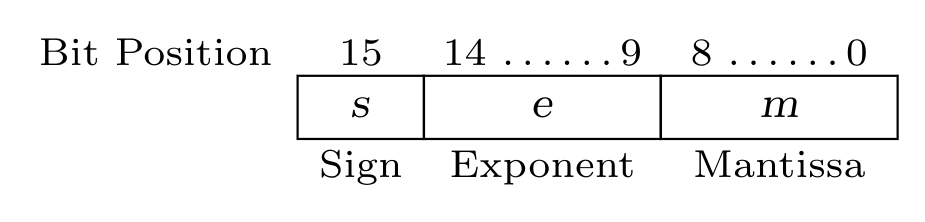
Let and be the numbers represented in binary in the sign, exponent, and mantissa fields respectively. Then the floating point number represented is: What is the maximum difference between two successive real numbers representable in this system?
Sign in to save attempts.
Loading…